Aluminum Casting: A Comprehensive Guide to Processes and Applications
Aluminum casting is a critical process used across various industries. It provides various methods, each tailored to particular requirements and designs. Understanding these methods is essential for optimizing product quality and minimizing environmental impact. As sustainability takes on greater importance, the industry is advancing. What elements should be evaluated when choosing the appropriate casting technique? Examining these dimensions discloses significant study insights about the future of aluminum casting and its potential applications.
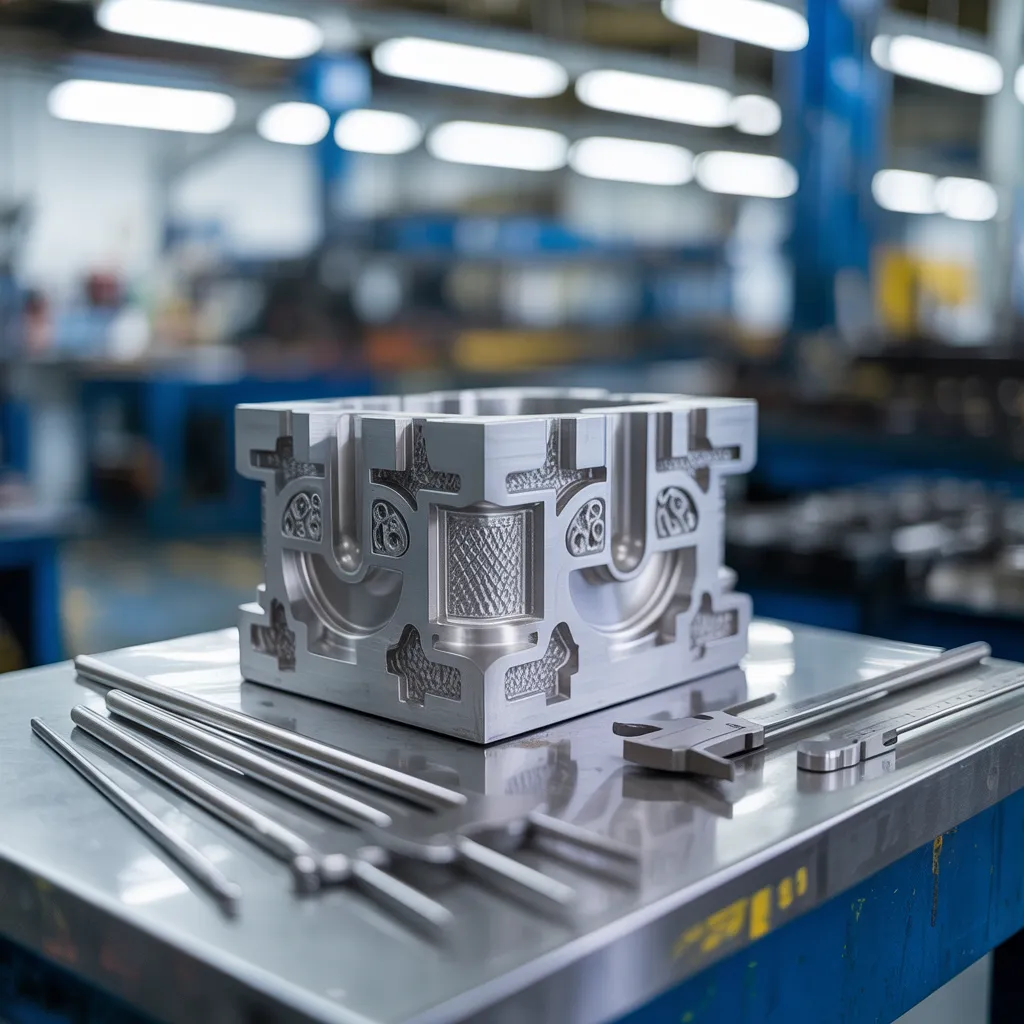
Overview of Aluminum Casting Methods
Aluminum casting includes numerous techniques that transform molten metal into precise components. The most widely used methods include sand casting, die casting, and investment casting. Sand casting requires the pouring of aluminum into a specially prepared sand mold, allowing for intricate shapes and large parts. Die casting, by contrast, applies high-pressure injection of molten aluminum into metal molds, delivering fast production cycles and a superior surface finish. Investment casting, often used for intricate designs, employs a wax pattern coated in ceramic to create precise molds.
Additionally, every technique carries its own set of strengths and constraints. Sand casting is versatile and cost-effective for low-volume production, while die casting demonstrates superior performance in high-volume settings because of its efficiency and fast turnaround. Investment casting, while typically more expensive, provides superior detail and dimensional accuracy. Understanding these methods is vital for selecting the appropriate technique based on the specific requirements of a project.
The Fundamentals of Aluminum Casting: Key Insights
Comprehending the core elements of aluminum casting is important for anyone involved in the fabrication process. This method requires introducing molten aluminum into a form, enabling it to solidify and take shape. Critical factors governing the casting process consist of the aluminum alloy selection, the mold composition, and the rate of cooling following the pour.
Aluminum casting offers several benefits, including lightweight properties, excellent corrosion resistance, and the ability to create complex geometries. Accurate temperature control is essential, as excessive heat can result in defects like porosity.
Furthermore, the choice of production method, whether die casting, sand casting, or another process, impacts the final component's performance and quality. Comprehending these components helps producers optimize production efficiency and achieve desired specifications. Ultimately, a strong knowledge of these fundamental principles supports successful aluminum casting practices in diverse industries.
Sand Casting: Core Benefits and Prime Applications
Sand casting stands out as an adaptable approach for producing aluminum pieces, delivering significant benefits that address diverse applications. One significant benefit is its ability to create complex shapes and intricate designs, which are often difficult using alternative casting techniques. The process utilizes sand as a mold material, allowing for streamlined and affordable manufacturing, most notably for small to moderate production runs.
Furthermore, sand casting accommodates various aluminum alloys, enhancing the alloy's properties based on distinct application needs. The process is well-suited for manufacturing large components, such as structural blocks and housings, where exactness is important but not as critical as in high-output production scenarios. In addition, the minimal setup expenses make it an attractive option for small-scale manufacturing and prototype development. All things considered, sand casting stands as a popular choice for industries requiring durable, customized aluminum components.
Die Casting: Precision and Efficiency for Large-Scale Manufacturing
Die casting represents a highly effective process that specializes in manufacturing aluminum parts with outstanding accuracy, making it ideally designed for high-volume production. This method works by injecting molten aluminum into a die under significant pressure, resulting in intricate designs and uniformity in dimensions. The rapid cooling of the material allows for quick cycle times, rendering it perfect for high-volume manufacturing operations.
Die casting is favored in industries such as automotive, aerospace, and consumer goods because of its capacity to manufacture lightweight yet strong parts. This process reduces material waste, as surplus material is frequently recyclable. Moreover, components produced through die casting display superior surface quality, minimizing the requirement for additional finishing work.
This process also handles complex geometries, permitting manufacturers to craft components that align with specific performance benchmarks. Overall, die casting stands out as a reliable choice for organizations striving for swiftness and exactness in their aluminum production efforts.
Investment Casting: Attaining Complex Shapes
Precision investment casting, often referred to as the lost-wax process, delivers exceptional versatility in manufacturing elaborate geometries and precise designs. This technique requires developing a wax model, which is carefully encased in a ceramic coating. When the ceramic shell sets, the wax burns off, creating a exact impression for aluminum. This method facilitates the creation of complex geometries that are challenging or unfeasible to achieve with alternative casting techniques.
The ability to create detailed internal components and narrow wall configurations positions investment casting as the preferred choice for use in the aerospace, automotive, and medical sectors. Additionally, the polished surface texture commonly decreases the necessity for substantial machining, saving time and costs. The adaptability of investment casting also allows for the combination of several elements into a single unified structure, boosting the overall efficiency of the design process. In summary, investment casting emerges as an exceptional option for producers aiming to manufacture premium aluminum parts with outstanding precision.
Factors to Consider When Selecting an Aluminum Casting Method
When choosing an aluminum casting method, a number of important factors need to be evaluated. Physical material characteristics, such as strength and thermal conductivity, are crucial in establishing the appropriateness of a casting method. Furthermore, manufacturing volume needs can impact the decision, given that particular approaches are better suited for large-scale manufacturing than alternatives.
Considerations for Material Properties
Selecting the correct aluminum casting method copyrights on a detailed understanding of material properties. Critical elements encompass the alloy composition, which affects strength, corrosion resistance, and thermal conductivity. For instance, higher silicon content improves fluidity but may lower strength. Additionally, considerations such as melting temperature and solidification rate affect the casting process and the final product's integrity. The targeted mechanical properties, including tensile strength and ductility, should meet application requirements. Moreover, characteristics like porosity and surface finish must be considered, as they determine the overall performance and aesthetic of the castings. Finally, a complete assessment of these material properties confirms the selection of the most appropriate casting method for unique project needs.
Output Volume Specifications
Production volume requirements play an essential role in selecting the ideal aluminum casting approach. Different casting techniques are tailored to specific production scales, affecting overall efficiency and cost savings. For low-volume production, approaches such as sand casting are commonly favored for their versatility and minimal initial investment. On the other hand, large-scale production requirements often call for methods such as die casting or permanent mold casting, providing quicker production cycles and exceptional dimensional precision. Furthermore, factors including lead times, tooling expenses, and material waste should be carefully assessed. Ultimately, aligning the production volume with the casting method guarantees that manufacturers achieve ideal results while minimizing expenses, thus improving total manufacturing efficiency.
What Are the Upcoming Trends Shaping Aluminum Casting?
As the aluminum casting sector advances, sustainable casting advancements are becoming increasingly prominent, reflecting a growing commitment to environmental responsibility. Additionally, advanced automation technologies are transforming production processes, improving operational efficiency and accuracy. These trends indicate a significant shift towards more eco-friendly and technologically advanced methods in aluminum casting.
Sustainable Casting Innovations
Leaders in the aluminum casting industry are increasingly prioritizing sustainability, creating the foundation for a more eco-friendly future. Emerging trends include the use of recycled aluminum, which considerably lowers energy consumption and greenhouse gas emissions compared to primary aluminum production. Progressive techniques and resources, such as eco-friendly mold coatings and low-impact casting techniques, are also growing in popularity. Furthermore, the integration of renewable energy sources in manufacturing processes enhances overall sustainability. Companies are focusing on lifecycle assessments to limit environmental consequences, ensuring that products are designed with recyclability in mind. As regulations become more stringent and consumer awareness increases, these sustainable innovations are anticipated to emerge as standard practices, propelling the sector into a more responsible and resilient future.
Cutting-Edge Automation Technologies
The trajectory of aluminum casting is growing ever more linked to advanced automation technologies, poised to revolutionize the industry. Breakthroughs such as robotic arms and artificial intelligence are elevating precision and efficiency across casting processes. Automated systems support real-time monitoring, decreasing human error and boosting product quality. Machine learning algorithms analyze data to optimize production schedules and minimize waste, contributing to sustainability goals. Moreover, the adoption of IoT devices promotes seamless communication between equipment, permitting predictive maintenance and decreased downtime. These advancements not only streamline operations but also enable manufacturers to adapt quickly to market demands. As these technologies progress further, they hold the potential to transform the competitive landscape of aluminum casting, accelerating productivity and innovation.
Questions Our Clients Often Ask
What Safety Precautions Are Necessary During Aluminum Casting
Throughout aluminum metal casting, fundamental safety precautions include wearing protective clothing, ensuring adequate ventilation, conducting regular equipment maintenance, utilizing appropriate personal protective equipment, and instructing employees on emergency response procedures to reduce the risk of accidents and hazardous material exposure.
How Do I Boost the Quality of My Aluminum Castings?
To enhance aluminum casting performance, professionals must guarantee proper mold construction, preserve appropriate pouring thermal conditions, utilize high-purity materials, reduce contamination, and conduct comprehensive post-casting assessments for imperfections that might compromise the final component's integrity.
What Environmental Consequences Does Aluminum Casting Have?
The environmental impacts of aluminum casting include energy consumption, greenhouse gas emissions, and waste production. Moreover, adequate control of pollutants and recycling efforts are vital for reducing negative impacts on ecosystems and advancing industry sustainability.
How Do I Eliminate Defects in Aluminum Castings?
To prevent imperfections in aluminum casting products, manufacturers should guarantee proper mold design, regulate the pouring temperature, sustain ideal metal flow, utilize the right alloys, and carry out thorough inspections during the entire process to identify underlying problems before they escalate.
What Is the Cost Comparison Between Different Aluminum Casting Methods?
The price comparison between different aluminum casting methods differs significantly. Die casting offers greater upfront costs but lower per-unit costs for high production volumes, while sand casting requires less initial investment but not as effective for large-scale production.